Blog
Product Editorials
Nordbak Solutions – Innovation, Performance & Industry Insights
Which epoxy flooring is suitable for electroplating facilities?
The best epoxy flooring for electroplating facilities is a chemical- and acid-resistant system that can withstand exposure to plating solutions, acids, alkalis, and heavy loads. Nordbak’s range of acid-resistant coatings, including Nordtile®, Nordwear 5 Acid, and Nordbak Acid Grout, provide seamless, non-porous protection against the aggressive chemicals used in electroplating.
Electroplating plants deal with some of the most corrosive environments in manufacturing. Floors are regularly exposed to strong acids, caustics, salts, and electroplating solutions such as chromic acid and sulphates. Without proper protection, uncoated concrete quickly deteriorates – leading to safety hazards, costly downtime, and compliance issues. That’s why epoxy flooring isn’t just recommended; it’s essential.
Why electroplating floors are at risk
Electroplating processes involve constant exposure to highly corrosive substances. Even small drips or mist settling on the floor can damage concrete over time. Some of the biggest risks include:
- Chemical attack from acids like sulphuric, hydrochloric, or chromic acid.
- Alkaline damage from caustic soda and other bases.
- Salt crystallisation which weakens the concrete surface.
- Physical wear from heavy racks, equipment, and foot traffic.
These combined factors make electroplating floors some of the most demanding industrial surfaces to protect.
Epoxy coatings: the first line of defence
Epoxy flooring systems are uniquely suited to this environment. Unlike standard paints or sealers, industrial-grade epoxy coatings form a seamless, impermeable layer that prevents chemicals from penetrating into the concrete substrate. Nordbak’s acid-resistant epoxy systems have been engineered for precisely these kinds of applications, ensuring protection even in immersion conditions.
Products like Nordtile® and Nordwear 5 Acid offer proven resistance to sulphuric acid immersion up to 50%, while maintaining strong abrasion and impact resistance. These qualities make them particularly well suited for plating facilities where floors must endure both chemical and mechanical stresses.
Balancing chemical resistance with durability
A good electroplating floor doesn’t just resist acids – it also needs to stand up to the daily pressures of an industrial facility. Forklifts, heavy metal racks, and constant cleaning demand coatings with high compressive and abrasion strength. Nordbak’s Fixwear and Nordwear 8 compounds provide exactly this combination: resilience against both chemical exposure and physical impact.
By combining chemical-resistant linings with abrasion-resistant compounds, Nordbak creates flooring systems that perform on all fronts – ensuring that protection isn’t compromised by wear and tear.
The hidden costs of unprotected flooring
Electroplating facilities that rely on unprotected or poorly coated concrete often face recurring problems:
- Frequent shutdowns for patch repairs.
- Escalating maintenance budgets.
- Health and safety risks from uneven, corroded surfaces.
- Environmental compliance issues if chemicals penetrate the substrate.
These costs add up quickly, often exceeding the investment in a properly applied epoxy system. In contrast, Nordbak coatings provide long-term durability, reducing both downtime and maintenance.
Practical application example
Consider a facility where chrome plating baths are housed. Even with careful handling, splashes and vapour settle on the surrounding floor area. Over months, the concrete begins to discolour, soften, and pit, creating tripping hazards and requiring frequent patching.
Once the floor is resurfaced with a Nordbak acid-resistant epoxy coating, the difference is immediate. Spills no longer penetrate, the surface remains smooth and safe, and maintenance teams spend less time dealing with flooring issues. The facility gains not only compliance assurance but also operational efficiency.
Why Nordbak solutions stand out
Nordbak has been formulating acid- and chemical-resistant linings for over 40 years, serving industries where failure is not an option. In electroplating, this translates into coatings that are:
- Proven against acids and alkalis – designed for immersion conditions.
- Durable under load – with high compressive and abrasion resistance.
- Seamless and non-porous – preventing hidden seepage and damage.
- Field tested – trusted by mining, petrochemical, and industrial sectors.
Nordbak’s experience and ability to tailor solutions for specific applications make it the reliable choice for electroplating facilities.
Protecting your plating floors for the long term
When it comes to electroplating facilities, epoxy flooring isn’t just a protective measure – it’s a business investment. The right coating ensures safety, compliance, and reduced downtime, while extending the life of the concrete beneath.
With Nordbak’s acid- and abrasion-resistant epoxy systems, you can safeguard your floors against the toughest chemical environments, ensuring your facility stays efficient, compliant, and safe for years to come.
How can I protect concrete floors in a chemical manufacturing plant?
The best way to protect concrete floors in a chemical manufacturing plant is to apply an acid – and chemical-resistant epoxy coating that forms a seamless, non-porous barrier. Nordbak’s range of acid-resistant coatings, grouts, and abrasion-resistant compounds are specifically designed to withstand aggressive chemical attack while extending the lifespan of concrete floors.
Concrete may be tough, but in a chemical plant it faces one of the harshest environments imaginable. Acids, alkalis, solvents, and salts all have the potential to degrade unprotected surfaces. Add in the impact of heavy equipment, constant traffic, and occasional spills, and even the strongest concrete will start showing cracks, pits, and chemical erosion. That’s why protective floor coatings are not optional—they are essential for safety, compliance, and long-term cost savings.
Why concrete floors need more than strength
On its own, concrete is highly porous. Liquids seep in, and over time the chemistry of the floor changes, leading to structural breakdown. In a plant handling chemicals like sulphuric acid, hydrochloric acid, or caustic soda, this can happen surprisingly fast. Once the floor is compromised, you face more than cosmetic issues:
- Safety hazards from uneven, pitted surfaces.
- Chemical exposure risks for workers.
- Compliance issues with environmental and occupational regulations.
- Costly repairs or even full slab replacements.
In short: unprotected concrete is a liability in a chemical environment.
The power of epoxy-based protection
Epoxy coatings solve these problems by sealing concrete under a dense, chemical-resistant layer. Nordbak’s acid-resistant epoxy formulations are designed to perform where standard paints and sealers fail. These coatings bond directly to prepared concrete, creating a seamless, non-porous finish that stops corrosive agents in their tracks.
One key option for manufacturing plants is Nordbak Acid Grout, which resists dilute acid exposure and offers compressive strength far greater than concrete. Similarly, Nordtile® and Nordwear 5 Acid are proven solutions that withstand up to 50% sulphuric acid in immersion, making them ideal for high-risk flooring areas.
These aren’t general-purpose coatings – they’ve been engineered specifically for environments where acids and alkalis are a daily presence.
Standing up to wear and tear
In a chemical plant, chemical resistance alone isn’t enough. Floors must also endure:
- Forklift and trolley traffic.
- Heavy machinery loads.
- Constant cleaning and washdowns.
Nordbak’s protective coatings are designed with abrasion and impact resistance in addition to their chemical resilience. For example, Nordwear 8 and Fixwear are co-polymer systems that combine high compressive strength with resistance to both chemical attack and mechanical wear. This means the floor coating isn’t just a shield against spills – it’s a surface tough enough for daily operations.
Long-term benefits of protective coatings
When a plant invests in chemical-resistant flooring, the payoff comes in several ways:
- Extended lifespan of concrete – Floors last years longer without degradation.
- Reduced downtime – Less need for repairs or resurfacing.
- Lower maintenance costs – Coated surfaces are easier to clean and decontaminate.
- Improved compliance – Meets health, safety, and environmental standards.
- Safer working environment – Smooth, intact floors reduce slip and trip risks.
These benefits explain why industries from mining to petrochemicals have relied on Nordbak coatings for over four decades.
A real-world scenario
Picture a chemical plant that stores and transfers sulphuric acid daily. Despite strict handling procedures, minor splashes reach the floor near tanks and pumps. Within months, bare concrete shows pitting and staining. Cleaning crews struggle, and inspectors raise concerns.
The facility installs a Nordbak acid-resistant coating system. The transformation is immediate: spills can be wiped up, the floor remains intact, and regulatory audits no longer highlight flooring as a risk. Just as important, the plant saves on constant patching and repair work.
Why Nordbak coatings are trusted
Nordbak isn’t new to chemical resistance. For more than 40 years, the company has supplied coatings and linings that protect against acids, alkalis, and corrosion in some of the most demanding industries worldwide. Its products aren’t theoretical – they’ve been field-tested in mines, refineries, cement plants, and chemical factories.
What makes them stand out is the combination of:
- Proven formulations with decades of field success.
- Local expertise in South Africa and beyond.
- Tailor-made solutions available for specialised applications.
- Durability that surpasses traditional coatings and concrete repair methods.
Protecting your plant floor starts here
Protecting concrete floors in a chemical manufacturing plant isn’t about temporary fixes. It’s about applying the right coating system from the start – a system that resists acids, alkalis, and wear while standing up to years of industrial use.
With Nordbak’s range of acid- and abrasion-resistant epoxy coatings, you can turn your plant’s floors from a liability into a long-term asset.
What is the best chemical-resistant floor coating for battery storage areas?
The best chemical-resistant floor coating for battery storage areas is an epoxy-based acid-resistant coating, specifically designed to withstand sulphuric acid and alkaline spills. Nordbak’s range of acid-resistant coatings and grouts are proven solutions in high-risk industrial environments, offering durability, chemical protection, and long-lasting performance.
If you’re responsible for a battery storage facility – whether it’s for backup power systems, industrial plants, or large-scale energy storage – the floor beneath those batteries is one of your biggest safety and maintenance concerns. Battery acids, particularly sulphuric acid, are highly corrosive. Even a small spill can degrade concrete, weaken structural integrity, and create long-term safety hazards. This is why ordinary flooring materials aren’t enough. You need a specialised coating that not only protects against chemical attack but also stands up to the heavy wear and tear of an industrial environment.
Why standard flooring fails in battery storage areas
Concrete floors are common in industrial settings, but they are porous and vulnerable. When acid penetrates concrete, it causes pitting, cracking, and gradual structural breakdown. Tiles may resist chemicals to some degree, but the grout lines become weak points where acids seep through. Paints or standard sealants also wear quickly under repeated exposure.
The risks are clear: damaged flooring means costly repairs, potential environmental non-compliance, and hazards for workers. For facilities where safety and uptime matter, these risks aren’t acceptable.
The role of chemical-resistant epoxy coatings
Epoxy-based coatings provide a seamless, non-porous barrier that locks out corrosive agents. Unlike concrete or tile, they don’t have weak points where chemicals can penetrate. Nordbak’s acid-resistant coatings are 100% solids co-polymer systems, formulated to withstand sulphuric acid and other harsh chemicals typically present in battery applications.
One standout product for these conditions is Nordbak Acid Grout, which is used in areas exposed to dilute acid spills such as pump plinths and bund walls. For floor coatings in battery storage, Nordbak’s range of acid-resistant linings and coatings offer seamless application, durability under heavy load, and proven resistance to sulphuric acid immersion.
Proven durability in demanding environments
Nordbak has built a reputation over more than 40 years for producing acid, alkaline, and corrosion-resistant linings across industries like mining, petrochemicals, and cement manufacturing. These are some of the harshest operating environments imaginable, and the same coatings trusted there are suitable for battery storage floors.
Products such as Nordwear 5 Acid and Nordtile® have demonstrated strong performance in immersion conditions with up to 50% sulphuric acid. This makes them well suited to facilities handling batteries, where leaks or spills are an ever-present risk. By applying a Nordbak chemical-resistant coating, facility managers reduce downtime, extend floor lifespan, and ensure compliance with safety standards.
Key features to look for in a battery storage floor coating
When evaluating floor coatings for battery areas, here are the critical features that matter most:
- Chemical resistance: Ability to resist sulphuric acid, alkaline solutions, and salts.
- Seamless application: Prevents acid penetration through cracks or joints.
- High compressive strength: Withstands the weight of heavy batteries and racking systems.
- Abrasion resistance: Resists wear from equipment movement and foot traffic.
- Temperature stability: Maintains performance under fluctuating environmental conditions.
Nordbak’s coatings tick all of these boxes, combining chemical resilience with durability.
A practical example: protecting a battery room floor
Consider a backup power facility with a room housing dozens of lead-acid batteries. Over time, acid mist and occasional leaks from cells begin to damage the bare concrete floor. Small pits form, and cleaning becomes increasingly difficult. Facility managers face safety concerns and regulatory scrutiny.
By resurfacing the floor with a Nordbak acid-resistant epoxy coating, they create a seamless, easy-to-clean surface. Even if a spill occurs, the coating resists penetration, and the floor remains intact. The result? Lower maintenance costs, a safer workplace, and peace of mind that the infrastructure is protected.
Why Nordbak is the trusted choice
What sets Nordbak apart is not just the product performance but also the local expertise. With decades of experience in South Africa and beyond, Nordbak has built coatings specifically for industries where reliability isn’t optional. Every product is backed by rigorous quality control, field testing, and the ability to be tailor-made for specific applications.
Battery storage facilities demand coatings that are proven, not experimental. Nordbak’s track record across mining, petrochemicals, and industrial plants makes it a dependable partner for businesses that can’t afford downtime.
Final thoughts
If you’re asking what the best chemical-resistant floor coating for battery storage areas is, the answer is clear: a high-performance acid-resistant epoxy coating, like those offered by Nordbak. They provide the chemical protection, strength, and durability required to keep your facility safe and compliant.
Your battery room floor doesn’t just need protection – it needs the right protection. With Nordbak, you’re choosing a solution tested in the toughest industries, designed to stand up to corrosive chemicals, and supported by a team with decades of experience.
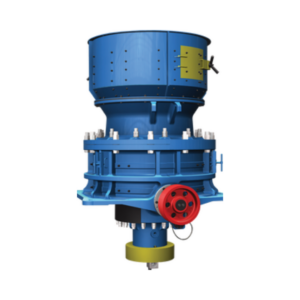
What type of material is best for backing cone and gyratory crushers?
The best material for backing cone and gyratory crushers is a high-strength, epoxy-based compound. These materials deliver superior compressive strength, excellent adhesion, and durability under extreme impact and vibration. They’re also safer and easier to use than molten metal alternatives.
Why Backing Compounds Matter
Crushers in mining environments take a serious beating. Over time, even the most rugged machines develop gaps between liners and frames. If left unaddressed, these voids can lead to poor wear part contact, misalignment, and unplanned shutdowns.
That’s where backing compounds come in: they fill in those gaps, lock everything in place, and absorb the intense forces generated during crushing.
Epoxy: The New Standard
In the past, many operations relied on molten metal backings like zinc or Babbitt.
But those come with a long list of drawbacks:
- Require high-heat equipment and careful handling
- Pose safety risks during application
- Take longer to cool and cure
Epoxy-based compounds have quickly become the industry standard because they solve all of the above. They’re:
- Pourable at room temperature
- Fast-curing
- Safer to store and handle
- Capable of withstanding high impact and vibration
Built for Harsh Conditions
Modern epoxy crusher backing compounds are engineered for strength. Many offer compressive strength ratings upwards of 100 MPa, making them ideal for:
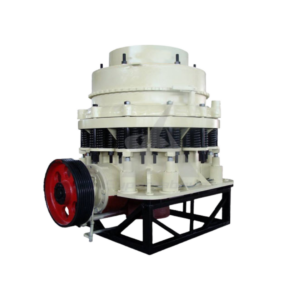
- Cone crushers
- Gyratory crushers
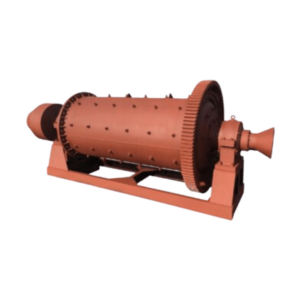
- Mill liners
- Pulverizers
Their high volumetric stability ensures no shrinkage or cracking, even under temperature swings and wet conditions – common challenges in open-pit and underground mines.
Choosing the Right Epoxy Backing
Not all epoxy compounds are created equal. You’ll want to consider:
- Ore hardness – harder ores demand higher impact resistance
- Crusher size – larger machines may need higher volume kits
- Downtime constraints – fast-set versions are available for quick turnarounds
There are standard options for general-duty applications, high-impact versions for aggressive loads, and fast-cure variants for time-sensitive maintenance.
Final Thoughts
If you’re operating in mining or aggregate production, epoxy-based crusher backing is a no-brainer. It’s safer, faster, and tougher than old-school metal methods – and it keeps your critical assets performing at their peak.
Back your crushers with the right material, and they’ll return the favour with reliability and longevity.
A new chapter begins: Nordbak joins forces with Henkel to drive MRO innovation in South Africa
In a significant milestone for South Africa’s maintenance, repair and overhaul (MRO) industry, Nordbak is proud to announce its acquisition by global adhesives & consumer brands company Henkel. This strategic move not only reinforces Henkel’s commitment to the region but also positions Nordbak to deliver even greater value to our customers across the mining, infrastructure, petrochemical, and industrial sectors.
For over three decades, Nordbak has been synonymous with durability and innovation, offering a trusted range of solutions from abrasion-resistant linings to epoxy-based crusher backing and corrosion protection coatings. These technologies have played a vital role in keeping South Africa’s toughest industries running efficiently. Now, as part of the Henkel family, Nordbak is poised to elevate its impact even further.
Henkel’s decision to invest in Nordbak is a strong vote of confidence in the future of the local MRO sector. South Africa’s critical industries – particularly mining and infrastructure – require reliable, high-performance solutions to maintain uptime and extend the life of essential assets. With Henkel’s support, Nordbak will be able to accelerate product development, enhance technical services and scale its reach further.
With our operations in Wadeville, Kathu and Phalaborwa, Nordbak’s on-the-ground presence is well aligned with Henkel’s long-term strategy to grow regional capabilities and support industrial resilience. “Joining the Henkel family marks an exciting new chapter for Nordbak,” said Mark Beyl, General Manager Nordbak South Africa. “We’re proud of the legacy we’ve built in South Africa. This next step allows us to continue serving our customers with the same excellence and responsiveness they’ve come to expect – now backed by a global innovation powerhouse.”
As we move forward, our customers can expect the same trusted NORDBAK® products & services which will be enhanced through global innovation, broader expertise, and a sharpened focus on sustainability. Together with Henkel, we’re not just maintaining infrastructure – we’re strengthening it for generations to come.
For more updates, follow Nordbak and Henkel on social media or visit our websites.
5 Reasons Why You Need to Protect Heavy-Duty Machinery
1. Prevent rust and corrosion: Heavy-duty machinery is often exposed to a variety of environmental factors that can cause rust and corrosion, so it is important to use a coating or lining to protect the metal from these elements.
2. Reduce wear and tear: Heavy-duty machinery is subject to a lot of wear and tear, so it is important to use a protective coating to reduce the amount of damage and prolong the life of the machinery.
3. Protect from chemicals: Some heavy-duty machinery is exposed to chemicals, so it is important to protect it from chemical damage with the use of a protective coating.
4. Enhance aesthetics: A protective coating can enhance the aesthetic appeal of the machinery and make it look more attractive.
5. Increase safety: Protective coatings can also help to increase safety by reducing the risk of slips and falls on the machinery.

Corporate & Internal Events
Inside Nordbak – News, Milestones & Team Highlights

Team Nordbak Goes Fishing
The Nordbak Sales team were lucky fishes when they got to go participate in the National Myn Manne Competition in March this year.

A Colourful Year-End Function
The combined function between the admin and the factory personnel was a fun event, which promoted team spirit, a key to a successful business.

Phalaborwa Soccer Team Gets a Kick
The Bollanoto Bluebirds soccer club got a pleasant surprise when they were handed a soccer kit donation from Nordbak (Pty) Ltd.’s branch manager, Antoon Korff – at the Nordbak Phalaborwa Branch on Saturday, 26 November.
Contact Details
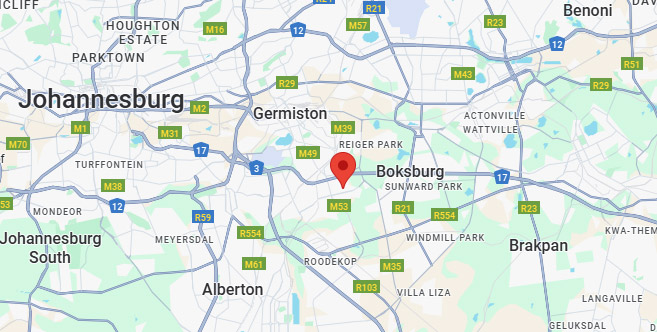
Address: 193 Immelman Road, Wadeville, Germiston, 1428
Phone: +27-11-824-1640/7
Email: support@nordbak.co.za

Get in Touch with Nordbak
At Nordbak we’re committed to providing innovative solutions and excellent customer support. Let’s work together to find the right solution for your needs.
Fill out the contact form below, and our team will get back to you.

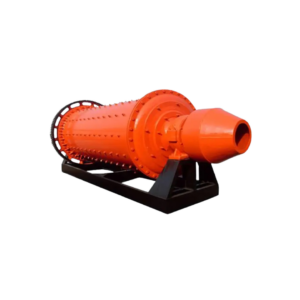 STANDARD BACKING is tough, resilient and ideal for Gold, Copper and Low Strength Ores Cone Crushers (5 foot Crushers), Primary Gyratory Crushers, Rotating Mills, Pulverizes and other heavy reduction machinery.
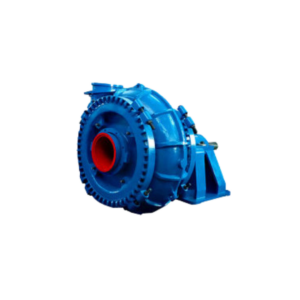 NORDWEAR 5 has excellent wear properties together with resilience and impact strength. It has been designed specifically for Waterborne Slurries and Pneumatic Conveyancing.
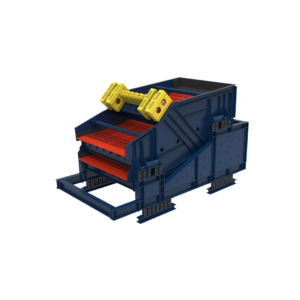 NORDWEAR 5 has excellent wear properties together with resilience and impact strength. It has been designed specifically for Waterborne Slurries and Pneumatic Conveyancing.
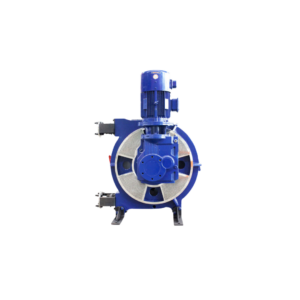 NORDWEAR 5 has excellent wear properties together with resilience and impact strength. It has been designed specifically for Waterborne Slurries and Pneumatic Conveyancing.
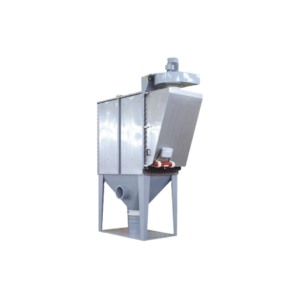 NORDWEAR 5 has excellent wear properties together with resilience and impact strength. It has been designed specifically for Waterborne Slurries and Pneumatic Conveyancing.
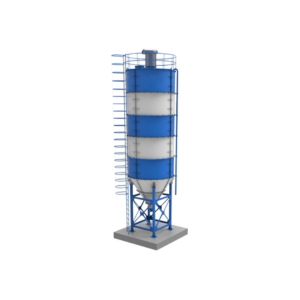 NORDWEAR 5 has excellent wear properties together with resilience and impact strength. It has been designed specifically for Waterborne Slurries and Pneumatic Conveyancing.
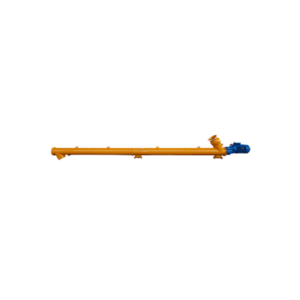 NORDWEAR 5 has excellent wear properties together with resilience and impact strength. It has been designed specifically for Waterborne Slurries and Pneumatic Conveyancing.
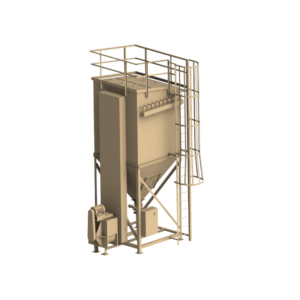 NORDWEAR 5 has excellent wear properties together with resilience and impact strength. It has been designed specifically for Waterborne Slurries and Pneumatic Conveyancing.
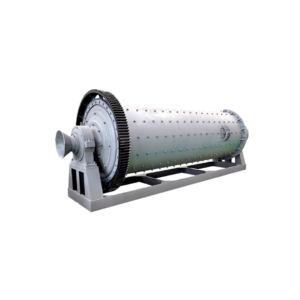 STANDARD BACKING is tough, resilient and ideal for Gold, Copper and Low Strength Ores Cone Crushers (5 foot Crushers), Primary Gyratory Crushers, Rotating Mills, Pulverizes and other heavy reduction machinery.